
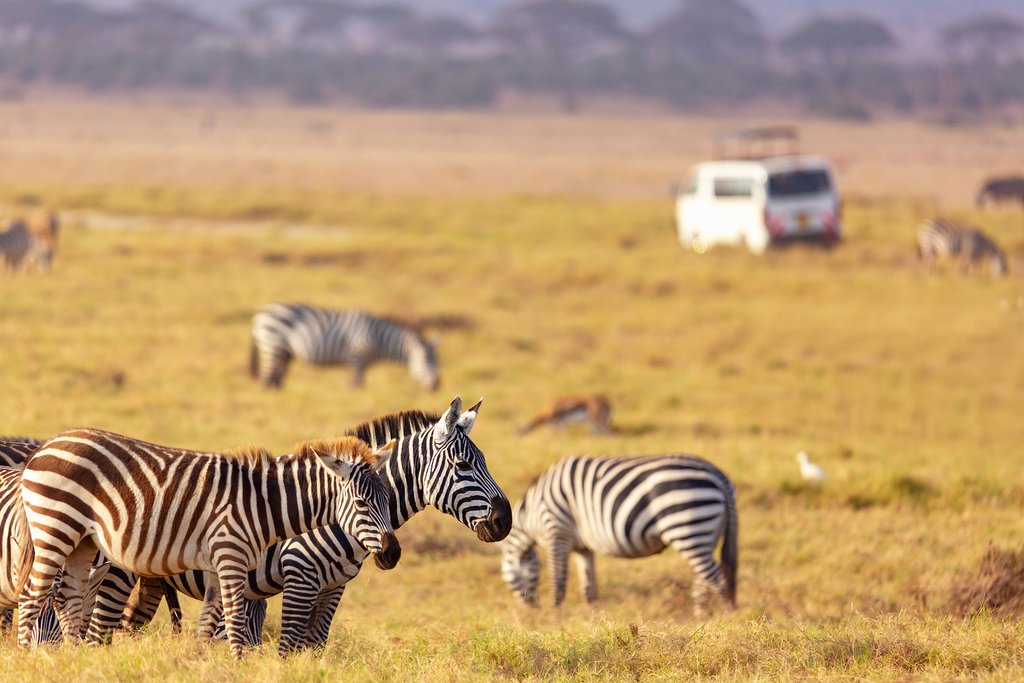
A wildlife safari to Kenya is one of the most extraordinary travel experiences in the world. Often referred to as the birthplace of safari, Kenya offers a remarkable combination of breathtaking landscapes, diverse ecosystems, and unparalleled wildlife encounters. From the sweeping savannahs of the south to the dramatic Rift Valley lakes and rugged northern wilderness, Kenya provides an authentic and immersive safari journey that captures the very essence of Africa.
The Magic of Kenya’s Landscapes
Kenya’s natural beauty is as varied as its wildlife. Golden grasslands stretch endlessly beneath wide African skies, acacia trees dot the horizon, and distant mountain peaks create dramatic backdrops. The country’s geography includes savannah plains, wetlands, highlands, forests, deserts, and coastal regions—each supporting distinct species and ecological systems.
This diversity allows travelers to experience multiple environments within a single itinerary. A well-planned wildlife safari to Kenya often combines iconic national parks with private conservancies, offering both classic game viewing and exclusive, less crowded experiences.
Maasai Mara: The Crown Jewel of Safari
No wildlife safari to Kenya is complete without visiting the world-renowned Maasai Mara National Reserve. Located in southwestern Kenya along the Tanzanian border, the Maasai Mara is celebrated for its abundant wildlife and dramatic open landscapes.
The reserve is home to Africa’s famed Big Five—lion, leopard, elephant, buffalo, and rhinoceros—as well as cheetahs, hyenas, giraffes, zebras, and countless antelope species. The Maasai Mara is particularly famous for the Great Migration, one of nature’s most awe-inspiring events. Between July and October, over a million wildebeest and hundreds of thousands of zebras cross into the reserve in search of greener pastures. The dramatic river crossings along the Mara River attract predators and provide unforgettable wildlife spectacles.
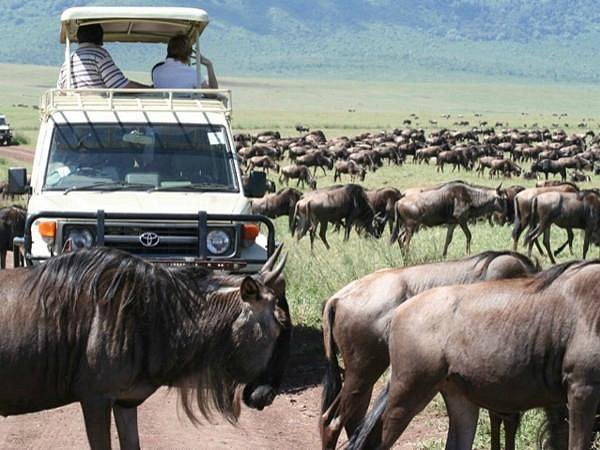 Even outside migration season, the Maasai Mara offers exceptional year-round game viewing. Its open plains make wildlife easier to spot and photograph, while luxury tented camps and eco-lodges ensure comfort amid the wilderness.
Amboseli: Giants Beneath Kilimanjaro
Another highlight of a Kenyan wildlife safari is Amboseli National Park. Famous for its large elephant herds and stunning views of Mount Kilimanjaro, Amboseli provides some of the most iconic safari imagery in Africa.
The park’s relatively compact size allows for close encounters with elephants, often seen moving gracefully across dusty plains with Kilimanjaro’s snow-capped peak rising in the distance. Seasonal wetlands attract a variety of birds and other wildlife, making Amboseli a well-rounded destination for both mammal and bird enthusiasts.
Sunrise and sunset in Amboseli create spectacular photographic opportunities, as golden light bathes the landscape and silhouettes wildlife against colorful skies.
Tsavo: Vast and Untamed Wilderness
For travelers seeking a sense of remote adventure, Tsavo National Park offers one of Africa’s largest protected wilderness areas. Divided into Tsavo East and Tsavo West, this immense park showcases diverse terrain ranging from open plains to volcanic hills and natural springs.
Tsavo East is known for its “red elephants,” which dust themselves in the region’s iron-rich soil, creating a distinctive reddish hue. The Galana River attracts large concentrations of wildlife, particularly during dry seasons. Tsavo West features rugged landscapes, lava flows, and the crystal-clear Mzima Springs, where hippos and crocodiles can be observed beneath the water’s surface.
The scale and solitude of Tsavo provide a more secluded safari experience, ideal for travelers looking to explore beyond the more frequented parks.
Lake Nakuru and the Rift Valley
Nestled within the Great Rift Valley, Lake Nakuru National Park is famous for its vibrant birdlife and successful rhinoceros conservation efforts. Flamingos often gather along the lake’s alkaline shores, creating brilliant pink displays when conditions are favorable.
Lake Nakuru is one of Kenya’s best locations to observe both black and white rhinos, as well as Rothschild’s giraffes and leopards. The surrounding escarpments and acacia forests add scenic beauty to wildlife sightings.
The Rift Valley region as a whole offers dramatic landscapes and varied ecosystems that enhance the safari experience.
Wildlife Beyond the Big Five
While the Big Five are a major draw, Kenya’s wildlife safari experience extends far beyond these iconic species. Visitors may encounter cheetahs sprinting across the plains, hippos wallowing in rivers, crocodiles basking along riverbanks, and hyenas communicating with eerie calls at dusk.
Kenya is also a premier birdwatching destination, with over 1,100 recorded species. From African fish eagles to colorful bee-eaters and flamingos, birdlife adds richness and variety to any safari itinerary.
Cultural Encounters and Community Conservancies
A wildlife safari to Kenya often includes meaningful cultural interactions. The Maasai people, known for their vibrant attire and pastoral traditions, have coexisted with wildlife for generations. Visiting a Maasai village provides insight into traditional customs, architecture, and community life.
Community conservancies surrounding major parks play a vital role in conservation. By partnering with local communities, these conservancies protect wildlife habitats while generating sustainable income. Staying in conservancy lodges directly supports education, healthcare, and environmental initiatives.
Best Time to Visit
Kenya is a year-round safari destination, but the dry seasons—from June to October and January to February—are generally considered the best times for wildlife viewing. During these months, animals gather around water sources, making them easier to locate.
The Great Migration in the Maasai Mara typically peaks between July and October, offering dramatic wildlife encounters. However, the green seasons following rains bring lush scenery, fewer tourists, and excellent birdwatching opportunities.
Accommodation and Safari Experiences
Kenya offers a wide range of accommodation options, from budget-friendly camps to luxurious lodges with world-class amenities. Tented camps provide an immersive bush experience, often accompanied by the sounds of wildlife at night. Luxury lodges offer fine dining, spa services, and personalized game drives.
Safari activities may include traditional 4×4 game drives, guided walking safaris, hot air balloon rides over the savannah, and cultural visits. Each experience provides a unique perspective on Kenya’s wildlife and landscapes.
Conservation and Responsible Travel
Kenya has long been a leader in wildlife conservation. National parks, private conservancies, and community initiatives work together to protect endangered species and fragile ecosystems. Visitors play a crucial role by choosing responsible operators, respecting wildlife guidelines, and supporting sustainable tourism practices.
Responsible travel ensures that Kenya’s natural heritage remains preserved for future generations.
Conclusion
A wildlife safari to Kenya is more than a journey—it is a profound connection to nature at its most majestic and untamed. From the iconic plains of the Maasai Mara to the elephant-rich landscapes of Amboseli, from the vast wilderness of Tsavo to the vibrant shores of Lake Nakuru, Kenya offers an extraordinary tapestry of wildlife and scenery.
For those seeking adventure, authenticity, and unforgettable encounters, Kenya remains one of the world’s premier safari destinations. Every sunrise over the savannah, every distant lion’s roar, and every wildlife sighting becomes part of a timeless story—one that continues to inspire travelers from around the globe.