
Introduction
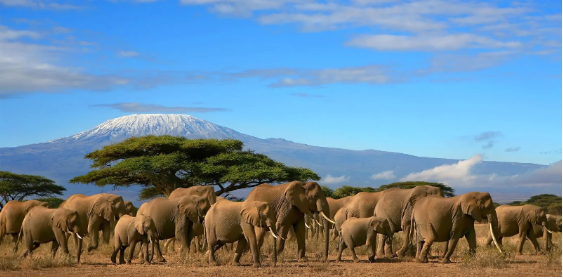
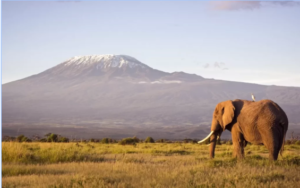
There are destinations that impress, and then there are destinations that transform. Tanzania belongs firmly in the second category. Stretching across 945,000 square kilometers of East Africa, this extraordinary nation harbors more protected land than almost any country on Earth — nearly 40 percent of its total territory is set aside for wildlife conservation. From the volcanic highlands of the north to the remote miombo woodlands of the south, from the coral reefs of the Indian Ocean coast to the snow-capped summit of Kilimanjaro rising above the savanna, Tanzania is a country of staggering ecological breadth and biological abundance.
A Tanzania safari is not a single experience but a collection of experiences, each shaped by the park you choose, the season you visit, the style of travel you prefer, and the wildlife you are fortunate enough to encounter. It is a place where a morning game drive can yield lions on a kill, a leopard draped in an acacia tree, a herd of five hundred elephants moving across the plains, and a cheetah sprinting at full pace — all before breakfast. It is a place where the silence of the bush at night, broken only by the distant whoop of a hyena or the resonant grunt of a hippo, reminds you of how ancient and essential wildness truly is.
This comprehensive guide covers everything a first-time or returning Tanzania safari traveler needs to know: the best parks and ecosystems, the wildlife highlights, practical planning advice, accommodation options, responsible travel considerations, and why Tanzania continues to set the global standard for the safari experience.
Why Tanzania Stands Apart: The Scale of Its Conservation Estate
To understand why Tanzania is the world’s premier safari destination, it helps to appreciate the sheer scale of its conservation estate. The country is home to 22 national parks, 29 game reserves, 40 game-controlled areas, and two UNESCO-designated conservation areas — together protecting an area larger than many European countries.
The flagship parks of the northern circuit — Serengeti National Park, Ngorongoro Conservation Area, Tarangire National Park, Lake Manyara National Park, and Arusha National Park — are among the most visited and celebrated wildlife destinations on Earth. The southern and western circuits, encompassing Ruaha National Park, Nyerere (Selous) National Park, Mahale Mountains National Park, and Katavi National Park, offer a rawer, more remote safari experience with far fewer visitors and equally spectacular wildlife.
This diversity of protected ecosystems means that Tanzania accommodates virtually every type of safari traveler — from those seeking the iconic spectacle of the Great Migration to those drawn by the solitude of remote wilderness areas accessible only by light aircraft.
The Great Wildebeest Migration: Earth’s Greatest Wildlife Show
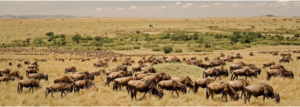
No discussion of Tanzania safari is complete without addressing the Great Wildebeest Migration — the largest overland animal movement on Earth and the defining wildlife event of the entire African continent. Every year, approximately 1.5 million wildebeest, 400,000 zebras, and hundreds of thousands of Thomson’s and Grant’s gazelles undertake a continuous circular journey through the Serengeti ecosystem and into Kenya’s Masai Mara in search of fresh grazing, driven by rainfall and the growth of new grass.
The migration is not a single dramatic event but a year-round cycle with multiple extraordinary chapters. The calving season in the southern Serengeti and Ndutu area between late January and March produces up to 8,000 newborn wildebeest daily, drawing predators in extraordinary concentrations. The river crossings at the Grumeti and Mara rivers between June and October are among the most viscerally powerful wildlife spectacles imaginable — vast columns of wildebeest plunging into crocodile-filled waters in a roar of hooves, chaos, and survival instinct.
For many travelers, witnessing the migration is a bucket-list ambition. For those who have seen it, it becomes one of those rare experiences that permanently recalibrates one’s sense of what the natural world is capable of.
Tanzania’s Key Safari Parks and Ecosystems
Serengeti National Park
The Serengeti is Tanzania’s most iconic park and one of the most celebrated wildlife destinations on Earth. Covering 14,763 square kilometers of open savanna, woodland, and granite kopje, it supports the highest density of large predators in Africa. Lions are ubiquitous, cheetahs hunt the open plains, and leopards haunt the riverine forests. All of the Big Five are present. The park’s different zones — the southern short-grass plains, the central Seronera Valley, the western corridor, and the remote northern Serengeti — each offer distinct and compelling wildlife experiences across different seasons.
Ngorongoro Conservation Area
The Ngorongoro Crater — the world’s largest intact, unflooded volcanic caldera — sits at the heart of this UNESCO World Heritage Site. Nineteen kilometers across and 600 meters deep, the crater floor hosts an estimated 25,000 to 30,000 large animals in a self-contained ecosystem. It offers one of Africa’s best chances to see the critically endangered black rhinoceros in the wild, alongside dense populations of lions, Cape buffalo, spotted hyenas, hippos, flamingos, and all remaining members of the Big Five. The Ngorongoro Conservation Area is also home to the Olduvai Gorge, one of the world’s most significant paleoanthropological sites, where some of the earliest evidence of human evolution has been excavated.
Tarangire National Park
Tarangire is one of Tanzania’s most underappreciated parks and a firm favorite among experienced safari travelers. Famous for its ancient baobab trees, its dense elephant populations — the largest in northern Tanzania — and its extraordinary bird diversity of over 550 recorded species, Tarangire offers a distinctly different landscape and atmosphere from the Serengeti. During the dry season between July and October, the Tarangire River becomes a critical water source drawing enormous concentrations of elephants, lions, leopards, oryx, and fringe-eared oryx from surrounding areas.
Ruaha National Park
Tanzania’s largest national park at over 20,000 square kilometers, Ruaha is the jewel of the southern circuit. Remote, raw, and genuinely wild, it sees a fraction of the visitors who travel to the northern parks yet supports exceptional wildlife including large lion prides, wild dogs — one of Africa’s most endangered predators — leopards, cheetahs, greater and lesser kudu, and impressive elephant herds. The Great Ruaha River, which runs through the park’s heart, is a dramatic focal point for wildlife during the dry season. Walking safaris with expert guides is one of Ruaha’s signature experiences.
Nyerere National Park (Selous)
Formerly known as the Selous Game Reserve, Nyerere is the largest protected area in Africa and one of the largest in the world, covering approximately 50,000 square kilometers. The Rufiji River system that flows through the park supports extraordinary concentrations of hippos, Nile crocodiles, and waterbirds, and boat safaris on the Rufiji offer a unique aquatic dimension to the safari experience found nowhere else in Tanzania. Wild dogs, lions, elephants, and buffalo are all well represented.
Mahale Mountains National Park
For travelers seeking the most intimate of all wildlife encounters, Mahale offers the extraordinary opportunity to trek through montane rainforest to sit with wild chimpanzees — our closest living relatives — in their natural habitat. Located on the remote shores of Lake Tanganyika, one of the world’s deepest lakes, Mahale is accessible only by light aircraft and boat, lending it an atmosphere of genuine expedition travel.
Safari Styles: Choosing Your Experience
Tanzania accommodates the full spectrum of safari styles, from budget group camping tours to ultra-luxury private concessions. Understanding the options helps travelers align their expectations with their chosen experience.
Classic Game Drive Safaris remain the foundation of the Tanzania safari experience. Morning and evening drives in 4×4 vehicles, guided by expert naturalists, cover the greatest ground and deliver the widest variety of wildlife sightings. Open-roof vehicles are standard in most parks, allowing 360-degree visibility and unobstructed photography.
Walking Safaris strip away the vehicle and bring you face-to-face with the bush at ground level. Available in Ruaha, Nyerere, and the Ngorongoro highlands, guided walks with armed rangers reveal the extraordinary detail of the ecosystem — tracks, insects, plants, medicinal trees, and smaller creatures that game drives often overlook.
Boat Safaris on the Rufiji River in Nyerere and on Lake Tanganyika near Mahale offer a fundamentally different perspective on African wildlife. Drifting silently past hippo pools and crocodile-lined banks, or watching elephants swim between islands at dusk, these water-based experiences are among Tanzania’s most distinctive offerings.
Hot Air Balloon Safaris above the Serengeti, launched at dawn and floating silently for sixty to ninety minutes above the plains, provide an aerial perspective on the ecosystem that reshapes the understanding of its scale and beauty. Most balloon safaris conclude with a champagne breakfast served in the bush.
Fly Camping — sleeping under a simple canvas fly sheet in a temporary camp set up in a remote corner of the bush — delivers the rawest and most immersive connection with the African wilderness. Available through a small number of specialist operators, this experience is not for the faint-hearted but rewards the adventurous with an intimacy with nature that fixed lodges cannot replicate.
Responsible Safari Travel in Tanzania
Tanzania’s wildlife and wild places represent an irreplaceable global heritage, and the manner in which tourism is conducted has profound consequences for their long-term survival. Responsible safari travel is not merely an ethical aspiration — it is a practical necessity for ensuring that future generations can experience what visitors today are privileged to witness.
When choosing a safari operator, prioritize those accredited by the Tanzania Association of Tour Operators (TATO) and those with demonstrable commitments to conservation and community benefit. Look for operators who employ local guides, source food locally, minimize single-use plastics, and contribute a portion of revenues to anti-poaching initiatives or community development projects.
The accommodation you choose matters enormously. Tanzania’s most responsible lodges and camps operate on low-impact principles — solar power, greywater recycling, locally sourced building materials, and direct employment of communities living adjacent to park boundaries. These properties typically cost more, but the premium reflects genuine investment in the ecosystem and the people who share it.
Behavior in the parks matters too. Maintain safe distances from wildlife, never feed animals, stay on designated tracks, and follow your guide’s instructions at all times. The golden rule of safari conduct is to observe without influencing — to be a witness, not a participant, in the ancient drama unfolding before you.
Key Takeaways
- 🌍 Tanzania protects nearly 40% of its total land area for wildlife conservation — an unmatched commitment that underpins the extraordinary density and diversity of its safari experience.
- 🐃 The Great Wildebeest Migration is a year-round event with two peak chapters: the calving season (January–March) and the Mara River crossings (July–October), each offering a distinct and unforgettable spectacle.
- 🦁 All of Africa’s Big Five — lion, leopard, elephant, Cape buffalo, and black rhinoceros — are present across Tanzania’s parks, with Ngorongoro offering the best single-location chance of seeing all five.
- 🗺️ Tanzania has two distinct safari circuits — the northern circuit for iconic parks and accessibility, and the southern circuit for remote wilderness, walking safaris, and fewer crowds.
- 🚶 Safari styles beyond the game drive — walking safaris, boat safaris, balloon flights, and fly camping — add extraordinary depth and dimension to the Tanzania safari experience.
- 🌿 Responsible operator and lodge selection directly supports anti-poaching, habitat protection, and community livelihoods — your booking choices have real conservation consequences.
- ✈️ Tanzania is a year-round destination — every month offers compelling wildlife, and the “best” time depends entirely on your personal priorities and wildlife interests.
Frequently Asked Questions (Q&A)
Q: Do I need any vaccinations or health precautions before visiting Tanzania? A: Several health precautions are strongly recommended before traveling to Tanzania. Yellow fever vaccination is required if you are arriving from a yellow fever-endemic country, and proof of vaccination may be requested at immigration. Anti-malarial medication is strongly advised, as malaria is present in most safari areas. Additional recommended vaccinations include typhoid, hepatitis A and B, and routine immunizations such as tetanus, diphtheria, and measles. Consult a travel medicine clinic at least four to six weeks before your departure to allow adequate time for vaccinations and medication regimens to take effect.
Q: Is Tanzania safe for tourists? A: Tanzania is widely regarded as one of Africa’s most stable and safe tourist destinations. The country has a strong tradition of political stability and a well-established tourism infrastructure. Within national parks, game drives are conducted by trained, licensed guides in vehicles specifically designed for safari use, and safety protocols are strictly observed. Standard travel precautions apply in urban areas such as Arusha and Dar es Salaam. Comprehensive travel insurance including emergency medical evacuation coverage is essential, as medical facilities in remote safari areas are limited.
Q: How do I get to Tanzania for a safari? A: Most international safari travelers arrive at Kilimanjaro International Airport (JRO) near Arusha, which serves as the gateway to the northern circuit parks. Julius Nyerere International Airport (DAR) in Dar es Salaam is the main entry point for the southern circuit and for connections to Zanzibar. Major airlines including KLM, Ethiopian Airlines, Kenya Airways, and Qatar Airways operate regular routes to both airports from Europe, North America, Asia, and other African hubs. Internal light aircraft transfers between park airstrips are arranged by tour operators and are an integral part of many multi-park itineraries.
Q: Can I combine a Tanzania safari with a Zanzibar beach extension? A: Absolutely, and many travelers do exactly this. Zanzibar — a semi-autonomous archipelago off Tanzania’s Indian Ocean coast — offers white-sand beaches, turquoise waters, historic Stone Town (a UNESCO World Heritage Site), excellent snorkeling and diving, and a vibrant Swahili culture. A standard combination itinerary involves six to eight nights on safari in the northern circuit followed by four to five nights in Zanzibar. Short flights between Arusha or Dar es Salaam and Zanzibar are widely available and take approximately 30 to 90 minutes depending on the departure point.
Q: What is the difference between a national park and a game reserve in Tanzania? A: Tanzania’s national parks are the most strictly protected category of conservation area. Human habitation and consumptive activities such as hunting are prohibited, and all tourism is non-consumptive (photography only). Game reserves, such as the former Selous (now partly Nyerere National Park), historically permitted regulated trophy hunting in certain zones alongside photographic tourism, though Tanzania’s government has progressively extended national park protections across its conservation estate in recent years. The Ngorongoro Conservation Area occupies a unique category, permitting the Maasai people to live and graze livestock within its boundaries — a model of community conservation recognized globally.
Q: What is the tipping culture on a Tanzania safari? A: Tipping is an important and expected part of safari culture in Tanzania, forming a meaningful supplement to the wages of guides, drivers, camp staff, and cooks. As a general guideline, budget approximately $15 to $20 USD per day for your primary guide or driver-guide, $5 to $10 per day for camp staff (distributed collectively via a tip box), and $5 to $10 per day for a camp cook on camping safaris. Tips should be given in cash — US dollars are universally accepted — at the end of a guiding relationship or on your final day at a camp. It is courteous to tip guides personally and separately from camp staff to acknowledge their individual expertise and service.
Conclusion
To travel on safari in Tanzania is to step briefly into a world that predates human civilization — a world governed by seasonal rhythms, predator-prey relationships, and the irreducible logic of the wild. It is humbling in the best possible sense: a reminder that the planet we inhabit is far older, far stranger, and far more magnificent than the small corners of it most of us occupy in daily life.
Tanzania has earned its place as the world’s premier safari destination not through marketing or accident but through decades of dedicated conservation, exceptional ecological diversity, and an unbroken commitment to protecting the natural inheritance of its people and the world. From the thundering migration herds of the Serengeti to the silent volcanic grandeur of the Ngorongoro Crater, from the baobab-studded plains of Tarangire to the remote river wilderness of Ruaha, the country offers a safari landscape of incomparable breadth and depth.
Whether you are planning your first safari or returning for the fifth time, Tanzania will meet you with something new — a behavior never witnessed before, a landscape that shifts with the season’s light, an encounter that no photograph can fully contain. It is a destination that does not diminish with repetition but deepens, revealing new layers of beauty and meaning with every visit.
Plan thoughtfully. Travel responsibly. And let Tanzania’s extraordinary wild places do what they have always done — remind you, quietly and profoundly, of your place in the natural world.