
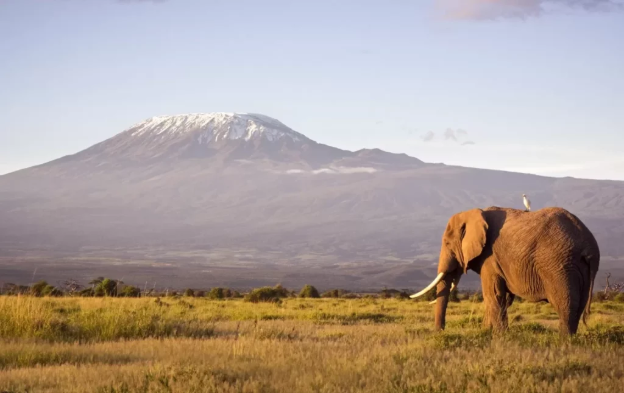
When travelers dream of Africa, images of vast savannahs dotted with wildlife, majestic elephants against crimson sunsets, and the thunderous migration of wildebeest often come to mind. A Tanzania safari delivers all this and more, offering one of the world’s most spectacular wildlife experiences. This East African nation has become synonymous with authentic safari adventures, drawing nature enthusiasts, photographers, and adventure seekers from across the globe.
The word “safari” itself originates from the Swahili language, meaning “journey,” and embarking on a Tanzania safari truly represents a journey in every sense—a physical expedition through some of Earth’s most pristine wilderness, an emotional voyage of discovery, and often a spiritual experience that reconnects visitors with the natural world in profound and unexpected ways.
Why Tanzania Stands Apart as the Premier Safari Destination
Tanzania represents the pinnacle of African safari destinations, boasting an extraordinary concentration of wildlife and diverse ecosystems that few countries can match. The country encompasses approximately 945,000 square kilometers, with nearly 25% dedicated to national parks, game reserves, and conservation areas. This remarkable commitment to preservation means visitors encounter wildlife in genuinely pristine environments, where nature’s rhythms continue largely undisturbed by human interference.
The country’s geographical diversity creates distinct experiences across different regions. From the endless plains of the Serengeti to the volcanic crater of Ngorongoro, from the elephant havens of Tarangire to the remote wilderness of Selous and Ruaha, Tanzania offers safari experiences that cater to every preference, expectation, and dream that wildlife enthusiasts harbor.
Tanzania’s conservation success stories inspire hope in an era of environmental challenges. The country has witnessed remarkable wildlife population recoveries, with elephant numbers increasing substantially in recent years following intensified anti-poaching efforts. Black rhinoceros populations, though still critically endangered, have stabilized in protected areas like Ngorongoro Crater, representing conservation victories achieved through dedicated protection and community involvement.
The human element enriches Tanzania’s safari experience immensely. Professional guides bring encyclopedic knowledge of animal behavior, tracking skills honed over decades, and genuine passion for sharing their homeland’s natural treasures. Their ability to read landscapes, interpret tracks, and position vehicles for optimal wildlife encounters transforms good safaris into extraordinary ones.
The Crown Jewels: Tanzania’s Premier Safari Destinations
Serengeti National Park: The Endless Plains
The Serengeti needs little introduction to wildlife enthusiasts worldwide. This iconic landscape covers 14,750 square kilometers of grassland plains, savannah, riverine forests, and woodlands. The park’s name derives from the Maasai word “siringet,” meaning endless plains—a description that perfectly captures its vast, horizonless character that stretches toward distant, shimmering mirages.
The Serengeti hosts the Great Migration, arguably Earth’s most impressive wildlife spectacle and one of the Seven Natural Wonders of Africa. Over two million wildebeest, accompanied by hundreds of thousands of zebras and gazelles, traverse the ecosystem in a continuous, circular journey driven by rainfall patterns and the search for fresh grazing. This perpetual movement follows ancient pathways encoded in ancestral memory, creating a living, breathing phenomenon that has continued for millennia.
Witnessing river crossings remains the migration’s most dramatic chapter. At the Grumeti and Mara Rivers, desperate herds gather by thousands on riverbanks, instinctively knowing they must cross yet terrorized by the obvious dangers. When the first animals finally plunge into crocodile-infested waters, panic erupts as hundreds follow in chaotic stampedes. Massive Nile crocodiles, some exceeding five meters in length, explode from the water to seize victims. The raw, primal drama of predation, survival, and death unfolding before your eyes creates emotional experiences that profoundly move even the most seasoned travelers.
Beyond the migration, the Serengeti supports exceptional predator populations year-round. The park contains Africa’s largest lion population, with approximately 3,000 individuals forming numerous prides that control different territories. Leopards haunt the acacia-studded kopjes—rocky outcrops that rise dramatically from the plains—where they stash kills in trees and raise cubs in hidden crevices. Cheetahs, the world’s fastest land animals, hunt the open plains where their incredible speed provides decisive advantages in capturing fleet-footed Thomson’s gazelles.
The Serengeti’s diversity extends to habitats that support specialized wildlife. The Western Corridor features riverine forests where colobus monkeys swing through canopies and hippos congregate in permanent pools. The northern woodlands shelter elephant herds and provide browse for giraffes that stretch impossibly long necks to reach acacia leaves. The southeastern short-grass plains transform during the wet season into calving grounds where hundreds of thousands of wildebeest give birth within concentrated three-week periods, triggering predator bonanzas as lions, hyenas, leopards, and cheetahs feast on vulnerable newborns.
Ngorongoro Crater: Africa’s Garden of Eden
This UNESCO World Heritage Site represents one of Africa’s most unique and breathtaking safari destinations. The crater formed approximately three million years ago when a massive volcano—possibly as tall as Kilimanjaro—exploded and collapsed on itself, creating a natural amphitheater spanning 260 square kilometers. The crater floor sits 600 meters below the rim, creating a self-contained ecosystem that functions as a wildlife paradise isolated from surrounding landscapes.
Ngorongoro offers exceptionally high wildlife density that staggers first-time visitors. Approximately 25,000 large animals inhabit the crater floor permanently, creating game viewing opportunities that rival anywhere on Earth. The unique geography concentrates animals in relatively small areas, meaning visitors can observe the Big Five—lions, elephants, buffalos, leopards, and the critically endangered black rhinoceros—during single game drives, an achievement difficult or impossible in most African parks.
The crater floor’s permanent water sources, including Lake Magadi and several freshwater springs, ensure year-round wildlife presence regardless of seasonal rainfall patterns affecting surrounding areas. This reliability makes Ngorongoro one of Tanzania’s most dependable safari destinations, particularly valuable for travelers with limited time who cannot afford unsuccessful game viewing days.
Ngorongoro’s lion prides exhibit fascinating social dynamics studied by researchers for decades. The crater’s isolated population shows genetic distinctiveness from other Tanzanian lions, and males display notably magnificent black manes—characteristics believed to result from the crater’s cooler temperatures and genetic isolation. These lions have adapted to the crater’s unique conditions, specializing in hunting techniques suited to the relatively confined space.
The crater also protects Tanzania’s most accessible black rhinoceros population. Approximately 30 individuals inhabit the crater floor, representing one of East Africa’s most important populations of this critically endangered species. Spotting these prehistoric-looking megaherbivores, with their distinctive hooked upper lips and two horns, remains a highlight that many visitors cherish as their safari’s most memorable moment.
Beyond large mammals, Ngorongoro supports remarkable birdlife. Flamingos often congregate by thousands on Lake Magadi’s alkaline waters, creating spectacular pink carpets visible from the crater rim. The diverse habitats—from acacia woodlands to open grasslands to wetlands—attract over 500 bird species, including massive Kori bustards, elegant crowned cranes, and predatory martial eagles that snatch prey with talons powerful enough to kill jackals.
Tarangire National Park: The Elephant Kingdom
Often overlooked in favor of more famous neighbors, Tarangire deserves recognition as one of Tanzania’s premier wildlife destinations with distinct character and exceptional experiences. The park particularly shines during the dry season, from June through October, when the Tarangire River becomes the only permanent water source for hundreds of kilometers, acting as a magnet for wildlife migrating from drier surrounding areas.
During peak dry season, Tarangire hosts East Africa’s highest elephant concentration. Massive herds, sometimes numbering hundreds of individuals, congregate along the river’s green corridor. Watching family groups interact—mothers tenderly guiding calves, adolescents play-fighting, matriarchs leading their clans with dignified authority—provides insights into elephant society’s complexity and emotional depth that creates lasting impressions.
Tarangire’s landscape features distinctive baobab trees that dominate the scenery like ancient sentinels. These remarkable trees, which can live over 1,000 years, create iconic African silhouettes against spectacular sunsets. Elephants feed on baobab bark during desperate dry periods, stripping sections that leave characteristic scars documenting decades of drought cycles.
The park supports diverse predator populations that many visitors find surprisingly abundant. Lions inhabit territories throughout Tarangire, often observed lounging in acacia trees—unusual behavior more commonly associated with Uganda’s tree-climbing lions. Leopards haunt the riverine forests and rocky outcrops, while Tarangire represents one of Tanzania’s best destinations for encountering the endangered African wild dog, whose range has contracted dramatically across Africa.
Tarangire’s birdlife astounds ornithologists and casual observers alike, with over 550 recorded species making it Tanzania’s premier birding destination. The park hosts the world’s largest concentration of breeding colonies for several species, and during migration periods, visitors observe flocks of European migrants escaping northern winters alongside resident African species in spectacular diversity.
Lake Manyara National Park: Compact Diversity
Though smaller than Tanzania’s flagship parks, Lake Manyara National Park packs extraordinary diversity into compact boundaries. The park stretches along the Great Rift Valley’s western escarpment, encompassing groundwater forests, acacia woodlands, grasslands, and the expansive alkaline lake that covers two-thirds of the park’s area.
Lake Manyara gained fame for tree-climbing lions—unusual behavior that intrigued researchers and delighted visitors. While sightings require luck and patience, observing lions draped across sturdy acacia branches, apparently seeking relief from ground-level insects and heat, remains among safari experiences that define uniqueness.
The park’s diverse habitats support remarkable wildlife variety despite modest size. Elephant herds navigate the forests, their progress marked by crashing vegetation and rumbling vocalizations. Buffalo herds emerge from woodlands to graze open grasslands. Hippos wallow in permanent pools, their grunting choruses providing safari soundtracks. Troops of baboons and vervet monkeys populate forest canopies, their antics entertaining observers.
Lake Manyara’s alkaline waters attract enormous flamingo congregations during favorable conditions, creating spectacular pink panoramas against the lake’s blue expanse. Pelicans, cormorants, and numerous waterbird species throng the shallows, while fish eagles perch in lakeshore trees, their haunting calls epitomizing Africa’s wild essence.
Ruaha National Park: Tanzania’s Hidden Gem
Ruaha National Park, Tanzania’s largest, remains relatively undiscovered compared to northern circuit parks, offering wilderness experiences for travelers seeking remoteness and authenticity. The park encompasses 20,226 square kilometers of pristine wilderness centered around the Great Ruaha River, which provides critical dry-season water sources supporting exceptional wildlife concentrations.
Ruaha hosts Tanzania’s largest elephant population, with approximately 15,000 individuals ranging across the park’s vast expanses. The park also supports exceptional predator diversity, including over 10% of Africa’s remaining lion population. Ruaha’s prides contain some of Africa’s largest male lions, magnificent specimens displaying impressive manes and commanding physical presence.
The park represents a biogeographical transition zone where East African and Southern African species meet, creating unusual diversity. Visitors might observe Greater and Lesser Kudu—distinctive spiral-horned antelopes—alongside Grant’s gazelles and impala herds. This overlap creates wildlife watching opportunities impossible elsewhere in Tanzania.
Ruaha’s remoteness means fewer visitors, allowing intimate wilderness experiences increasingly rare in popular parks. Game drives encounter pristine landscapes unmarred by vehicle crowds, and the silence broken only by natural sounds—bird calls, wind rustling grass, distant lion roars—reconnects visitors with nature’s rhythms that modern life obscures.
Planning Your Tanzania Safari: Practical Considerations
Best Time to Visit: Seasonal Variations
Tanzania offers year-round safari opportunities, though experiences vary considerably by season, each presenting distinct advantages and considerations that influence ideal timing based on individual priorities.
The dry season, from late June through October, provides optimal game viewing conditions by most measurements. Animals concentrate around diminishing water sources, making wildlife easier to locate. Vegetation thins out and browns, improving visibility for spotting animals in thick bush. Roads remain passable even in remote areas, allowing access to parks that become challenging during rains. The dry season coincides with the northern Serengeti’s dramatic river crossings and peak migration presence.
However, dry season popularity creates challenges. Parks attract maximum visitor numbers, potentially diminishing the wilderness experience that remote areas usually provide. Lodges charge peak-season rates that strain budgets. Popular sighting locations sometimes experience vehicle congestion that detracts from natural ambiance.
The wet season, from November through May, presents different advantages that appeal to certain travelers. Landscapes transform into lush, green paradises bursting with life after dry-season dormancy. Migratory bird populations arrive from Europe and northern Africa in spectacular numbers, creating ornithological paradise. Many lodges offer substantial discounts—sometimes 30-50% off peak rates—making luxury accessible at mid-range prices. Parks feel emptier, with fewer tourists competing for sightings.
The wet season’s calving season, occurring January through March in the southern Serengeti, creates exceptional wildlife drama. Approximately 8,000 wildebeest calves are born daily during peak weeks, drawing predators that feast on vulnerable newborns. Cheetahs, in particular, thrive during calving season, when abundant easy prey allows mothers to successfully raise multiple cubs.
The “shoulder seasons”—November-December and April-May—offer compromises between wet and dry extremes. Wildlife remains abundant, landscapes retain greenness, and visitor numbers stay moderate. These periods provide excellent value for travelers seeking balanced experiences.
Safari Styles and Accommodation: Finding Your Perfect Fit
Tanzania accommodates virtually every safari style, budget preference, and comfort expectation, allowing travelers to customize experiences matching their specific priorities and resources.
Luxury Mobile Camps represent the ultimate in exclusive, intimate safari experiences. These temporary camps follow the migration, positioning guests at the heart of wildlife action while providing five-star amenities that seem incongruous in wilderness settings. Guests sleep in spacious canvas tents featuring proper beds with quality linens, ensuite bathrooms with hot showers, and elegant furnishings. Professional chefs prepare gourmet meals served on china and crystal in dining tents lit by lanterns. Despite luxury appointments, mobile camps maintain an authentic safari atmosphere—falling asleep to hyena calls and lion roars, with only canvas between you and wilderness, creates thrilling immediacy impossible in permanent structures.
Permanent Luxury Lodges offer consistent quality and spectacular locations, often within private concessions allowing exclusive game viewing experiences, night drives, and walking safaris prohibited in national parks proper. Properties like andBeyond Ngorongoro Crater Lodge and Singita Grumeti provide opulent accommodations, exceptional cuisine, and personalized service rivaling the world’s finest hotels. Many lodges now incorporate sustainability initiatives—solar power, rainwater harvesting, waste reduction programs—allowing environmentally conscious travelers to minimize footprints while enjoying comfort.
Mid-Range Lodges and Tented Camps balance comfort with affordability, providing quality accommodations, good food, and professional guiding without luxury price tags. These properties typically feature comfortable rooms or permanent tents with ensuite facilities, swimming pools, bars, and dining areas serving satisfying meals. Mid-range options allow longer safaris by reducing per-day costs while maintaining comfort levels satisfying most travelers.
Budget Camping Safaris enable adventurous travelers to experience Tanzania’s wilderness at accessible prices. Basic camping involves staying in public campsites within national parks, sleeping in tents, and participating in camp setup and cooking. While basic, camping safaris provide authentic bush experiences and bring travelers closest to nature. Falling asleep in tents with only canvas separating you from nighttime wildlife sounds creates memorable experiences. Budget safaris typically use older vehicles and employ less experienced guides than premium operators, but many budget travelers consider this acceptable trade-off for affordability.
Safari Itineraries: Popular Routes and Options
Most Tanzania safaris follow established circuits combining multiple parks into comprehensive experiences. The “Northern Circuit” remains most popular, typically combining Serengeti, Ngorongoro, Tarangire, and sometimes Lake Manyara in 6-10 day itineraries. This circuit provides exceptional wildlife diversity, varied landscapes, and high-quality infrastructure making logistics straightforward.
Seven-day Northern Circuit safaris typically allocate 3 nights in Serengeti (allowing full days exploring different areas), 1-2 nights at Ngorongoro (for crater floor visits), and 1-2 nights in Tarangire or Lake Manyara. This combination provides comprehensive experiences showcasing Tanzania’s wildlife highlights while allowing sufficient time in each location for quality game viewing.
Ten-day safaris permit more relaxed pacing, additional parks, or extended time in preferred locations. Some travelers add Zanzibar beach extensions, combining wildlife adventures with Indian Ocean relaxation. The combination of safari and beach appeals particularly to honeymooners seeking romantic adventure and tropical paradise in single trips.
The “Southern Circuit”—encompassing Ruaha, Selous (now part of Nyerere National Park), and smaller reserves—attracts travelers seeking remoteness, lower visitor densities, and exclusive wilderness experiences. These itineraries require more time (typically 10-14 days) and higher budgets due to limited lodge availability and flight requirements, but reward adventurous travelers with exceptional authenticity.
Cultural Encounters: Beyond Wildlife
A Tanzania safari extends far beyond wildlife observation. The country hosts over 120 ethnic groups, each contributing to cultural richness that provides context for understanding human-wildlife relationships and conservation challenges facing modern Africa.
The Maasai, Tanzania’s most internationally recognized ethnic group, maintain traditional pastoralist lifestyles centered around cattle herding. Many safari itineraries incorporate visits to Maasai villages, where visitors observe traditional housing (enkang—circular settlements surrounded by thorn-branch fences), witness jumping dances performed by warriors (moran), and purchase intricate beadwork created by women using skills passed through generations.
These cultural interactions, when conducted respectfully through community-based tourism initiatives, provide economic benefits to communities living alongside wildlife, creating conservation incentives. When local people benefit financially from wildlife through tourism, they become stakeholders in conservation rather than viewing animals merely as threats to livestock or crops.
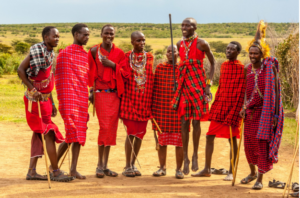
Responsible cultural tourism avoids exploitative “human zoo” scenarios where communities become attractions devoid of dignity. Quality operators partner with communities ensuring fair benefit distribution, authentic interactions, and mutual respect between visitors and hosts. These encounters provide visitors with understanding of traditional lifestyles’ challenges in modern contexts, conservation complexities when humans and wildlife compete for resources, and appreciation for cultural diversity enriching human experience.
Conservation and Responsible Tourism: Protecting Tanzania’s Natural Heritage
Tanzania faces ongoing conservation challenges that threaten the wildlife and wilderness that safaris celebrate. Understanding these challenges and supporting conservation through tourism choices allows visitors to contribute positively to Tanzania’s environmental future.
Poaching remains a persistent threat, particularly for elephants (targeted for ivory) and rhinoceros (whose horns command astronomical prices in Asian markets for traditional medicine despite containing only keratin—the same protein as human fingernails). Tanzania has intensified anti-poaching efforts through ranger training, equipment provision, and legal reforms establishing severe penalties for wildlife crimes. These efforts have achieved successes—elephant populations have stabilized and begun recovering in many areas—but threats continue requiring sustained commitment and resources.
Human-Wildlife Conflict intensifies as human populations expand into wildlife habitat. Elephants raid crops, causing devastating financial losses to subsistence farmers. Lions and leopards kill livestock, eliminating critical family assets. Hippos, among Africa’s most dangerous animals, kill more people annually than large predators, as they graze agricultural areas at night and attack humans blocking their return routes to water.
Addressing human-wildlife conflict requires innovative solutions beyond simple enforcement. Community-based conservation initiatives provide compensation for livestock losses, establish wildlife corridors allowing animal movement between protected areas, and create buffer zones where compatible human activities and wildlife coexist. Programs employing community game scouts reduce poaching while providing employment. Revenue sharing from park fees funds community development projects—schools, clinics, water infrastructure—demonstrating tangible wildlife benefits.
Habitat Loss driven by expanding agriculture, human settlement, and resource extraction threatens wildlife by fragmenting populations and reducing available space. Tanzania’s commitment to protecting approximately 25% of national territory provides crucial strongholds, but wildlife requires connected landscapes allowing seasonal movements and genetic exchange between populations.
Responsible Tourism Practices allow visitors to support conservation directly:
- Choose operators demonstrating environmental commitment through sustainable practices, community partnerships, and conservation contributions
- Respect wildlife viewing guidelines maintaining appropriate distances, avoiding harassment, and never feeding animals
- Support community-based tourism enterprises ensuring local benefit from wildlife
- Consider carbon offsetting for flights to address climate change impacts on African ecosystems
- Share safari experiences through social media and personal networks, inspiring others to value and support wildlife conservation
- Donate to reputable conservation organizations working in Tanzania
- Purchase crafts directly from artisans rather than intermediary vendors, ensuring fair compensation for creators
Tourism provides critical funding for Tanzania’s conservation, with park entrance fees, concession fees, and tourism-related employment creating economic value for wildlife. This economic argument for conservation proves increasingly important as Africa’s human population grows and development pressures intensify.
Photographic Safaris: Capturing Tanzania’s Magic
Tanzania offers unparalleled photographic opportunities, with extraordinary wildlife, dramatic landscapes, and exceptional light creating conditions that excite photographers from beginners to professionals. Preparing properly and understanding basic techniques enhance results dramatically.
Equipment Considerations: A camera with interchangeable lenses provides maximum flexibility. Telephoto lenses (200-600mm range) allow intimate wildlife portraits from respectful distances. Wide-angle lenses capture sweeping landscapes and environmental portraits showing animals within their habitats. Bring extra batteries (cold morning game drives drain power quickly), multiple memory cards (running out of storage during exceptional sightings is heartbreaking), and protective bags for dusty conditions.
Technical Approaches: Wildlife photography requires understanding exposure trade-offs between shutter speed (freezing motion), aperture (controlling depth of field), and ISO (light sensitivity). Prioritize fast shutter speeds (minimum 1/500 second, preferably 1/1000 or faster) to freeze animal movement. Open apertures (f/4-f/5.6) create attractive background blur (bokeh) isolating subjects. Accept higher ISOs for proper exposure—modern cameras handle noise remarkably well, and slightly grainy sharp images surpass clean blurry ones.
Compositional Techniques: Apply basic principles enhancing visual impact:
- Rule of thirds: Position subjects off-center for dynamic compositions
- Eye-level perspectives: Shoot from animal eye level rather than human height for intimate connections
- Environmental context: Include habitat elements telling stories about animals’ lives
- Behavior and interaction: Capture animals engaged in activities—feeding, playing, fighting, caring for young—rather than static portraits
- Golden hour light: Shoot during early morning and late afternoon when warm, directional light creates dramatic images
- Anticipation: Watch animal behavior predicting movements, preparing for decisive moments
Ethical Considerations: Never compromise animal welfare for photographs. Never approach too closely, chase animals, or harass wildlife to elicit reactions. The photograph isn’t worth stressing animals or disrupting natural behavior.
Practical Safari Tips: Maximizing Your Experience
What to Pack: Neutral-colored clothing (khaki, olive, brown) helps you blend into environments. Avoid bright colors and camouflage patterns (illegal in some African countries). Bring:
- Wide-brimmed hat for sun protection
- Sunscreen (high SPF) and lip balm
- Quality sunglasses
- Insect repellent (DEET-based for malarial areas)
- Binoculars (8×42 or 10×42 magnification optimal)
- Camera equipment
- Comfortable walking shoes and sandals
- Light jacket for cool morning game drives
- Flashlight or headlamp
- Personal medications and basic first aid supplies
- Lightweight daypacks for carrying essentials during game drives
Health Considerations: Consult travel medicine specialists 6-8 weeks before departure. Yellow fever vaccination is required if arriving from endemic countries. Doctors typically recommend vaccinations for hepatitis A and B, typhoid, tetanus, and sometimes rabies for travelers planning extensive rural exposure. Malaria prophylaxis (prescription antimalarial medication) is strongly advised for safari areas, particularly during wet season when mosquito populations peak.
Behavioral Guidelines: Respect guide instructions regarding wildlife—they possess expertise and understand animal behavior and danger signs. Never exit vehicles except in designated areas or when guides confirm safety. Keep voices low around wildlife, avoiding sudden movements that might startle animals. Never litter—retain all trash for proper disposal at accommodations.
Conclusion: The Transformative Power of Tanzania Safaris
A Tanzania safari represents far more than a vacation checking items off bucket lists. It constitutes a transformative journey into one of Earth’s last great wilderness areas, where nature’s rhythms and processes continue largely as they have for millennia. The country’s exceptional commitment to conservation, combined with spectacular wildlife concentrations and diverse ecosystems, creates safari experiences that not only meet but consistently exceed even the highest expectations, leaving visitors with memories that last lifetimes and perspectives forever changed.
Whether watching Serengeti sunrises paint endless plains in golden light, observing elephant herds moving past Kilimanjaro’s snow-capped summit, witnessing predator kills on Ngorongoro’s crater floor, or simply sitting in awed silence as nature’s grand drama unfolds, Tanzania delivers moments of profound connection with the natural world. These experiences remind us why wildlife conservation matters urgently, why protecting wild spaces represents moral imperatives for our generation, and why ensuring our children and grandchildren can experience similar wonder requires sustained commitment and action.
Tanzania safaris also humble participants through recognition of humanity’s proper place within, not separate from or above, the natural world. Observing wildlife living authentic lives—hunting, fleeing, birthing, dying—without human interference provides perspective that modern civilization’s insulation often obscures. We remember that we too are animals, evolved within these same landscapes, sharing evolutionary ancestry with every creature encountered.
For anyone seeking authentic African adventure, meaningful connection with nature, or transformative travel experiences that expand perspectives and inspire conservation