
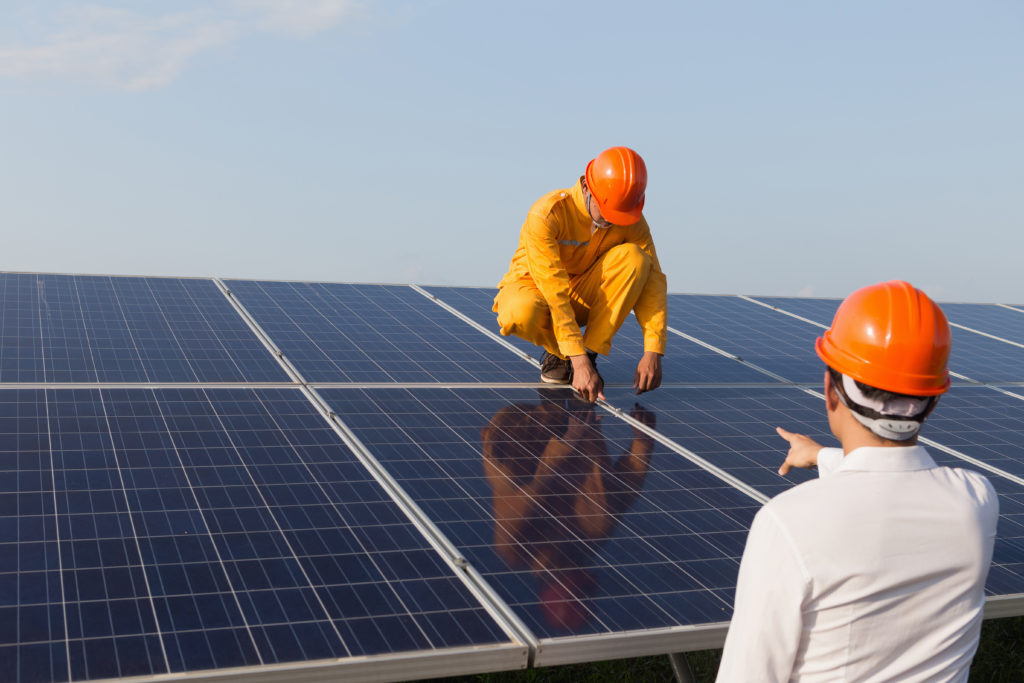
There has been a rapid surge in the demand for renewable energy sources in recent times. Among the most popular options are wind and solar power. These systems produce clean energy, combating climate change by eliminating greenhouse gas emissions. While wind turbines and solar panels involve initial investment costs, they offer long-term savings.
Key Factors for Productive Wind Turbines
Location is critical as wind turbines are more effective in consistently windy areas. The blades must be facing into the predominant wind direction. Cold climates can build up ice on the blades, decreasing efficiency. Maintenance crews service the mechanical parts and protect against wear and tear, so the turbines operate smoothly and an important but often overlooked factor is having robust protection and controls in place. According to the experts at Commonwealth, this prevents voltage fluctuations from damaging electrical components when the wind speed changes abruptly.
Factors Affecting Solar Energy Output
The amount of sunlight exposure impacts how much electricity solar panels produce. Areas closer to the equator receive more consistent sunny days ideal for solar panels. Solar cells work best when pointed directly at the sun rays rather than indirect light or shadows. Dust, dirt, snow, and debris can pile up on the solar panels, blocking light absorption. Tracking mounts allow the panels to follow the sun’s daily path for improved reception. Converting the direct electrical current from solar panels into the more useful alternating current requires inverters tailored to the solar system’s needs and sufficient protection and controls maintain safe electrical voltages when shifting from dark to bright light. With smart positioning and cleaning, solar power can harness the sun’s immense energy.
Challenges When Scaling Up Renewable Energy
While wind and solar power emit no pollution when running, they face obstacles to wider adoption. Constructing massive wind farms and solar plants takes substantial time and coordinated labor. The intermittent nature of wind speeds and passing clouds prevents perfectly reliable 24/7 renewable electricity generation for the electrical grid. That’s why energy storage solutions to bank surplus energy are an active area of innovation.
When transitioning from fossil fuels to renewable sources, updating infrastructure can require significant upfront costs before the long term savings accrue. Wind turbines in remote locations need transmission lines for transporting the electricity to cities and towns. Utility companies have existing investments in older power plants that shape decisions on emerging technologies and there are aesthetic concerns, whether large wind turbine fields or acres of solar panels fit visually with natural landscapes.
Ongoing Renewable Energy Improvements
Engineers continue finding ways to extract more wind and solar energy through incremental design tweaks. Wind turbines now reach taller heights with massive blades gently shaped for better aerodynamics. Solar cells keep getting more efficient at converting photons from sunlight into electrons. Software models help site new wind and solar installations for projected productivity and enhanced electrical protection and controls allow better integration with the main power grid. The future goals are to boost capacity factors reliably over 75% while bringing renewable electricity prices down even further through scaling.
Conclusion
Harnessing wind and solar power for electricity holds great promise alongside sustainable growth planning. The environmental and long-term economic benefits make investing in wind turbines and solar panels worthwhile for communities aiming to reduce fossil fuel dependence. With ingenious technology improvements and smart infrastructure coordination, wind and solar energy have the potential to fully displace coal, oil, and natural gas plants. The transition requires comprehensive understanding of how to capture these natural forces most efficiently and protect the electrical systems involved but the science shows renewable energy can positively transform how society powers itself sustainably.