
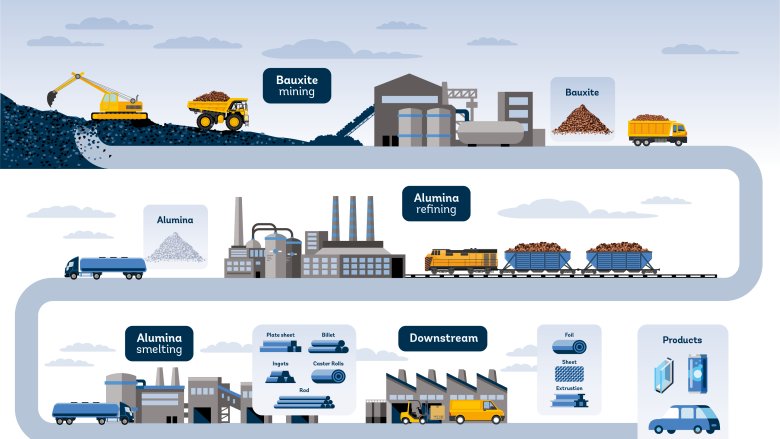
Industrial carbon materials play a critical role in manufacturing sectors such as automotive, construction, energy, and advanced polymers. Fluctuations in the black carbon price are closely tied to how efficiently global supply chains operate, from raw material sourcing to final delivery. Understanding these dynamics helps manufacturers and buyers anticipate cost movements and plan procurement strategies more effectively.
Raw Material Sourcing and Feedstock Availability
The foundation of industrial carbon material costs lies in the sourcing of raw feedstocks such as heavy oils, coal-derived inputs, and other hydrocarbons. Availability, quality, and sourcing location significantly shape production economics.
Manufacturers depend on stable feedstock supply contracts to ensure consistent output and predictable costs. When sourcing regions face constraints, price volatility can ripple across the entire supply chain.
Key Factors Influencing Feedstock Sourcing
- Geographic Concentration of Raw Materials
Feedstocks are often concentrated in specific regions, increasing dependency on localized supply. Any disruption, such as regulatory changes or production slowdowns, can restrict availability, increasing procurement costs and influencing downstream pricing. - Quality Variability of Inputs
Not all feedstocks deliver the same yield or performance characteristics. Lower-quality inputs may require additional processing, increasing energy consumption and operational expenses throughout production cycles. - Long-Term Supplier Agreements
Stable contracts help manufacturers manage cost fluctuations by locking in volumes and pricing. However, renegotiations during volatile market conditions may lead to sudden cost escalations. - Energy Dependency in Feedstock Processing
Feedstock refinement and preparation are energy-intensive. Variations in fuel and electricity availability directly impact processing expenses, indirectly shaping finished material costs. - Transportation Distance from Source to Plant
Longer transport routes raise logistics costs and exposure to fuel price volatility. Proximity to feedstock sources often provides a competitive advantage in maintaining cost efficiency.
Manufacturing Scale and Operational Efficiency
Production facilities and operational models strongly influence the black carbon price by determining how efficiently raw materials are converted into finished products. Economies of scale and advanced manufacturing technologies help mitigate cost pressures.
Larger, well-integrated plants typically achieve lower per-unit production costs through optimized processes, better energy utilization, and reduced waste.
Operational Elements Affecting Cost Structures
- Plant Capacity Utilization
Facilities operating at optimal capacity spread fixed costs across higher output volumes. Underutilization leads to higher per-unit expenses, which can influence market pricing. - Energy Management Systems
Energy accounts for a substantial portion of production costs. Plants with efficient recovery systems and energy optimization strategies maintain better cost control under fluctuating fuel prices. - Automation and Process Control
Advanced automation improves yield consistency and reduces labor dependency. Improved process stability lowers rejection rates and minimizes material losses. - Maintenance and Downtime Management
Unplanned shutdowns disrupt production schedules and increase operational expenses. Reliable maintenance strategies reduce downtime and support predictable cost structures. - Compliance and Environmental Controls
Regulatory compliance adds operational layers, including emissions controls and waste management. Efficient compliance systems help manage added costs without compromising output quality.
Logistics Networks and Transportation Infrastructure
Once produced, industrial carbon materials rely heavily on global logistics networks to reach customers. Transportation efficiency plays a decisive role in determining the cost of carbon black across regions.
Logistics Factors Shaping Cost Outcomes
- Freight Rate Volatility
Shipping costs fluctuate due to fuel prices, vessel availability, and global trade demand. Sudden freight increases can significantly impact landed material costs. - Port and Infrastructure Efficiency
Congested ports and underdeveloped infrastructure extend transit times and raise demurrage charges. Efficient hubs reduce delays and associated expenses. - Packaging and Handling Requirements
Specialized packaging to preserve material quality adds to logistics costs. Improper handling may result in product loss or quality degradation. - Inventory Holding and Warehousing
Extended transit times require higher inventory levels, increasing storage and financing costs for both suppliers and buyers. - Regional Distribution Networks
Localized warehouses and distribution centers reduce last-mile delivery costs and improve supply reliability, stabilizing overall pricing structures.
Global Trade Policies and Regulatory Influence
International trade frameworks and regulations significantly affect the cost of carbon black, particularly in cross-border supply chains. Tariffs, environmental standards, and compliance requirements add complexity to cost management.
Regulatory and Policy Considerations
- Import and Export Duties
Tariffs imposed on raw materials or finished products directly increase landed costs. Sudden policy changes can disrupt established supply routes. - Environmental Regulations
Stricter emissions and sustainability standards require investment in cleaner technologies. Compliance costs may be reflected in material pricing. - Customs Clearance and Documentation
Complex documentation processes slow shipments and increase administrative costs, especially in highly regulated markets. - Regional Trade Agreements
Free trade agreements can reduce duties and improve cost efficiency, offering competitive advantages in certain markets. - Geopolitical Stability
Political tensions and trade disputes introduce uncertainty, often leading to supply disruptions and cost volatility across international supply chains.
Demand Patterns and Market Responsiveness
Industrial demand cycles play a pivotal role in shaping carbon material pricing. When demand outpaces supply, cost pressures intensify across procurement and logistics channels.
Demand-Driven Cost Influences
- Automotive and Infrastructure Growth
Increased production of vehicles and infrastructure components drives higher demand for carbon materials, influencing supply availability and pricing. - Seasonal Demand Fluctuations
Certain industries experience cyclical demand patterns, creating temporary supply tightness and cost increases. - Customization and Specialty Grades
Specialized material grades require additional processing and quality control, increasing production and supply chain costs. - Inventory Buffer Strategies
Holding safety stock helps manage demand surges but increases storage and financing expenses. - Customer Lead Time Expectations
Shorter lead times require faster logistics and flexible production schedules, often at higher operational costs.
Conclusion
Supply chains play a defining role in shaping industrial carbon material costs, influencing everything from feedstock sourcing and manufacturing efficiency to logistics and global trade compliance. Each stage of the supply chain adds layers of cost sensitivity, making coordination and optimization essential for pricing stability.
With a strong focus on integrated operations, sustainability, and global reach, industry leaders such as Birla Carbon continue to strengthen supply chain resilience and cost transparency for customers worldwide. Their ability to manage complexities across sourcing, production, and distribution helps buyers better navigate market fluctuations, including evaluating benchmarks like tyre carbon black price per ton, while ensuring reliable supply and consistent material performance.