
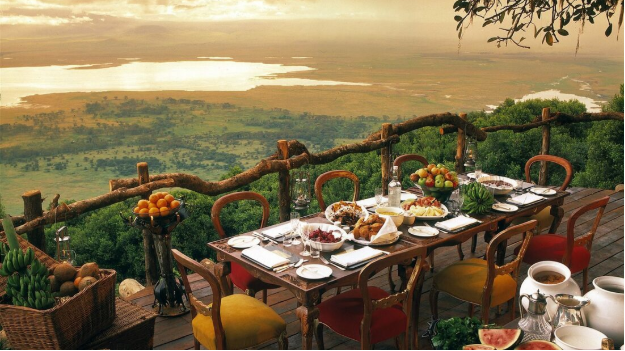
Where the golden savannah meets boundless sky, and every sunrise heralds a new chapter in nature’s most epic story.
Introduction
Tanzania. The very name evokes images of vast golden plains rippling under an equatorial sun, snow-capped Kilimanjaro piercing the clouds, and rivers of wildebeest thundering across ancient grasslands. For discerning travellers who demand both extraordinary wildlife encounters and uncompromising comfort, a luxury Tanzania safari stands apart as one of the world’s most transformative travel experiences.
Far removed from the crowded, convoy-style game drives that have come to define mass-market tourism in parts of Africa, luxury safaris in Tanzania are intimate, bespoke, and deeply immersive. Private concessions, exclusive-use camps, and world-class guiding conspire to place you at the very heart of the continent’s most celebrated ecosystems — not merely as an observer, but as a participant in the greatest wildlife theatre on Earth.
This guide explores everything you need to know about planning, experiencing, and truly savouring a luxury Tanzania safari — from the iconic Serengeti to the remote wilderness of Ruaha, and the pristine coral shores of Zanzibar beyond.
Why Tanzania for a Luxury Safari?
Tanzania is home to some of Africa’s most iconic and varied landscapes. Spanning over 945,000 square kilometres, it encompasses more protected land than almost any other country on the continent. Approximately 38% of Tanzania’s total land area is dedicated to national parks, game reserves, and conservation areas — a testament to the nation’s extraordinary commitment to wildlife preservation.
The country’s ecological diversity is staggering. Within a single itinerary, travellers can witness the greatest wildlife migration on the planet, trek through Afromontane forests in search of chimpanzees, descend into the Ngorongoro Crater — a self-contained natural Eden — and end their journey on the spice-scented shores of Zanzibar.
What elevates Tanzania above comparable destinations is the quality, exclusivity, and authenticity of its luxury camp network. Operators here have, over decades, perfected the balance between minimal environmental footprint and maximum guest experience. Safari architecture blends seamlessly into the bush; skilled naturalists open up the landscape with expert storytelling; and the service ethos is one of quiet, gracious attentiveness that feels personal rather than performative.
Key Luxury Destinations in Tanzania
1. The Serengeti — The Crown Jewel
No luxury Tanzania safari would be complete without time in the Serengeti, a UNESCO World Heritage Site and one of the oldest ecosystems on Earth. Covering approximately 14,763 square kilometres, the Serengeti is synonymous with the Great Wildebeest Migration — the annual movement of more than 1.5 million wildebeest, accompanied by hundreds of thousands of zebra and gazelle, in an endless pursuit of fresh grass and water.
Luxury camps in the Serengeti are strategically positioned to follow the migration’s seasonal patterns. In the Southern Serengeti and Ndutu region (December to March), vast herds congregate for calving — a dramatic spectacle as thousands of young wildebeest are born within weeks of one another. By July and August, the action shifts to the Northern Serengeti and the Mara River, where dramatic crossings see wildebeest plunge through crocodile-infested waters in scenes of raw, primal intensity.
Exclusive private camps such as those found in the Lamai Wedge and Mara River area offer fly-camp extensions — sleeping under a canopy of stars in remote locations accessible only on foot — as well as private hot air balloon safaris at dawn, drifting silently above the awakening plains.
2. Ngorongoro Crater — The Eden in Miniature
Formed from the collapse of a giant volcano some three million years ago, the Ngorongoro Crater is a self-contained natural amphitheatre stretching 19 kilometres across and sheltering an astonishing concentration of wildlife. Lions, elephants, hippos, black rhinos, and a dense population of large predators all inhabit this 260-square-kilometre bowl.
The luxury experience here centres on exclusivity of access and altitude. Crater rim lodges perched at over 2,400 metres elevation offer cool, misty mornings, crackling fireplaces, and sweeping panoramas across the caldera below. Private crater-floor game drives, away from the day-visitor crowds, allow unhurried observation of the Ngorongoro’s famous densities: it is not uncommon to encounter multiple lion prides, a tower of giraffe, and a crash of rhinos within a single game drive.
3. Ruaha National Park — The Untamed Wilderness
For those seeking a truly off-the-beaten-path luxury safari, Ruaha in southern Tanzania is arguably Africa’s finest secret. Tanzania’s largest national park, covering over 20,000 square kilometres, Ruaha receives a fraction of the visitor numbers of the Serengeti and offers an experience of profound remoteness and raw authenticity.
The park is renowned for its massive elephant herds — some of Africa’s largest remaining populations — and for a predator density that includes all major cats. The landscape itself is powerfully dramatic: ancient baobab trees punctuate rugged escarpments, the Great Ruaha River supports vast congregations of hippo and crocodile, and the dry season (June to October) concentrates wildlife around shrinking water sources in one of Africa’s most compelling natural spectacles.
4. Selous and Nyerere National Park — Riverine Luxury
The Selous Game Reserve — now partly designated as Nyerere National Park — is one of Africa’s largest protected areas and a UNESCO World Heritage Site. Here, luxury extends beyond the land safari: boat safaris along the Rufiji River, walking safaris led by expert trackers, and fly-camping beneath fig trees along the river bank define the experience.
The Selous is particularly celebrated for its African wild dog population, its enormous hippo gatherings, and the extraordinary biodiversity of its waterways.
5. Zanzibar — The Perfect Safari Finale
A luxury Tanzania safari itinerary traditionally culminates on the spice island of Zanzibar. After the sensory intensity of the bush, Zanzibar’s turquoise lagoons, swaying palms, and exquisite boutique resorts offer a languid counterpoint. Stone Town, a labyrinth of Swahili, Arab, and Portuguese architecture, rewards unhurried exploration, while Mnemba Island — a privately leased coral atoll — represents the apex of Indian Ocean luxury.
What to Expect from a Luxury Tanzania Safari Experience
Accommodation
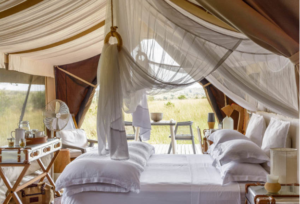
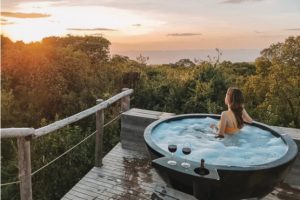
Luxury safari camps in Tanzania range from intimate, fixed-structure lodges to ultra-exclusive mobile tented camps that relocate seasonally to follow wildlife. The finest properties — think deep copper bathtubs under open skies, king beds dressed in the finest cotton, and private plunge pools overlooking the plains — offer an experience that is simultaneously wild and indulgent.
Hallmarks of luxury accommodation include private butler service, dedicated game vehicles per suite or villa, curated cocktail hours at sunset, and bespoke dining experiences — from four-course bush dinners beneath acacia trees to impromptu breakfasts at a hippo pool.
Guiding Excellence
The quality of guiding is the single most important factor in any safari experience. Tanzania’s finest camps employ resident naturalists with decades of field experience, often augmented by specialist trackers and Maasai or local community guides who bring cultural depth to the experience. Private vehicle hire — standard in the luxury segment — ensures that your guide’s attention is undivided and that you drive at your own pace, staying with remarkable sightings as long as you wish.
Conservation and Community
The leading luxury operators in Tanzania are deeply embedded in conservation and community partnerships. Guests at these camps directly fund anti-poaching units, wildlife corridors, school programmes, and sustainable livelihood initiatives. This conservation dividend gives the luxury Tanzania safari an ethical dimension that transforms the journey from indulgence to genuine impact.
Key Takeaways
- Tanzania offers unmatched wildlife diversity, from the Great Migration in the Serengeti to the black rhinos of Ngorongoro and the wild dogs of Selous — all accessible within a single itinerary.
- Luxury in Tanzania means privacy and exclusivity — private game vehicles, exclusive-use camps, and intimate concessions that feel a world apart from mass-tourism safari circuits.
- The best time to visit depends on your priorities: the calving season (January–March) and the river crossings (July–August) are peak for the Serengeti Migration; the dry season (June–October) is optimal across most of the country for game viewing.
- Luxury operators are conservation leaders — your investment directly supports wildlife protection, anti-poaching, and community development in some of Africa’s most ecologically significant landscapes.
- Combine ecosystems for the richest experience — the ideal luxury itinerary blends at least two distinct habitats: Serengeti and Ngorongoro, or Ruaha and Selous, finished with Zanzibar.
- Walking safaris and fly-camping represent the frontier of luxury immersion, placing guests in the landscape with minimal barriers and maximum connection.
- Specialist operators and dedicated travel designers are essential for navigating availability, seasonality, and the logistical complexity of multi-destination Tanzania itineraries.
Questions & Answers
Q: What is the best time of year for a luxury Tanzania safari? A: Tanzania offers exceptional game viewing year-round, but each season has its character. The dry season (June to October) is considered peak for wildlife concentration and ease of movement, as animals gather around water sources and vegetation is low. For the Great Migration river crossings, July through September in the Northern Serengeti is unmissable. January and February offer the extraordinary calving season in the Southern Serengeti. The short rains (November) bring lush landscapes and newborn animals, while the long rains (April–May) suit those seeking solitude and dramatic skies at reduced rates.
Q: How much does a luxury Tanzania safari cost? A: Luxury safaris in Tanzania typically range from $1,000 to $3,000+ per person per night, depending on the property, season, and level of exclusivity. All-inclusive packages covering accommodation, meals, game drives, and domestic flights are standard. High-end, exclusive-use or owner’s villa experiences can significantly exceed this range. Conservation fees and park levies are sometimes additional. Working with a specialist safari designer ensures transparency and optimal value for the investment.
Q: Is Tanzania safe for safari travellers? A: Tanzania is considered one of Africa’s most stable and welcoming safari destinations. The safari circuits are well-established, infrastructure at the luxury level is excellent, and Tanzania has a long tradition of responsible, professional tourism. Standard travel precautions apply, and guests are always accompanied by expert guides in the field. Reputable operators provide comprehensive pre-travel health and safety briefings, including malaria prophylaxis guidance for the regions visited.
Q: Can children participate in a luxury Tanzania safari? A: Many luxury camps welcome children and offer exceptional family safari programmes with dedicated guides and age-appropriate wildlife education. Some of the most exclusive properties impose minimum age restrictions (typically 8–12 years) in order to preserve the exclusivity and pace of the experience for all guests. Private exclusive-use camps — where a family books the entire property — are the ideal solution for travelling with young children, offering maximum flexibility and personalized programming.
Q: What makes a Tanzania safari “luxury” versus standard? A: The distinction lies in privacy, space, service, and depth of experience. Luxury means a dedicated game vehicle (not shared with strangers), a higher guide-to-guest ratio, architecturally considered accommodation with high-quality furnishings and amenities, gourmet food and curated wines in the bush, and — crucially — access to exclusive private conservancies and concessions where the public is not permitted. It also means having the time and freedom to linger at sightings, pursue specialist interests such as birding or photography, and travel at your own pace rather than to a set schedule.
Conclusion
A luxury Tanzania safari is not merely a holiday — it is an encounter with something irreducibly primal and profoundly beautiful. To stand in the hush of an African dawn as the Serengeti awakens, to watch a leopard melt into the golden grass, or to share a sundowner with Kilimanjaro burning amber on the horizon, is to understand why this landscape has captivated explorers, naturalists, and dreamers for centuries.
The luxury dimension of such a journey is not about removing you from nature — it is about placing you closer to it, more comfortably, more knowledgeably, and more meaningfully. The finest camps and operators in Tanzania have mastered the art of making the extraordinary feel intimately personal, and of ensuring that every moment — whether it is a lion kill at close quarters or a quiet afternoon reading on your canvas veranda to the sound of birdsong — feels like it was arranged for you alone.
In choosing a luxury Tanzania safari, you also choose to be part of the continent’s conservation story. Your investment protects the ecosystems and wildlife that make these experiences possible for future generations — a legacy as enduring as the Serengeti itself.