
Introduction
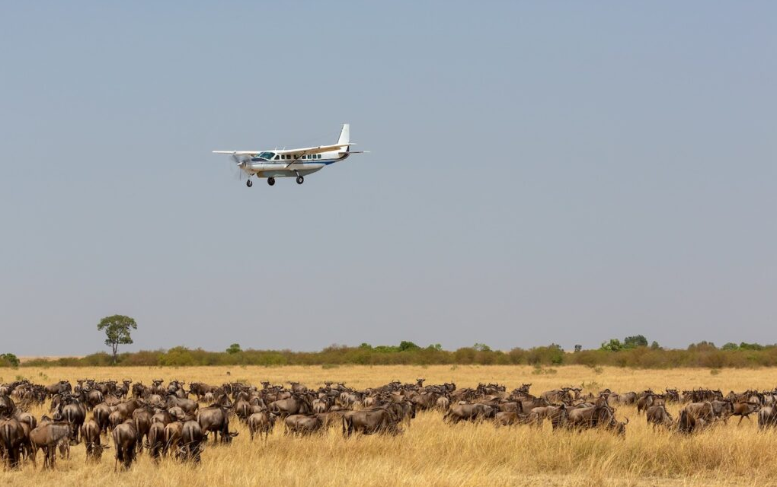
A fly-in Serengeti safari is one of the most convenient and luxurious ways to explore Tanzania’s world-famous wildlife landscapes. Instead of traveling long distances by road, visitors fly directly to airstrips located inside the vast savannah of the Serengeti, allowing them to start their safari adventure almost immediately after landing.
Serengeti National Park is one of Africa’s most iconic wildlife destinations and a UNESCO World Heritage Site. Located in northern Tanzania, the park covers nearly 15,000 square kilometers of open plains, woodlands, and riverine forests. It is famous for its incredible biodiversity, spectacular landscapes, and the legendary Great Migration — the largest movement of land animals on Earth.
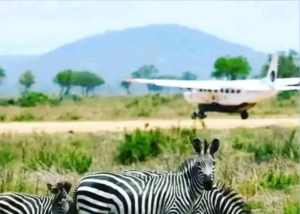
A fly-in safari offers a premium travel experience by eliminating long drives from cities such as Arusha or Dar es Salaam. Instead, travelers board small charter or scheduled safari aircraft and fly directly to airstrips such as Seronera, Kogatende, or Ndutu within the Serengeti ecosystem.
This type of safari is ideal for travelers who want to maximize their time in the wilderness while enjoying comfort, breathtaking aerial views, and easy access to remote safari lodges.
What Is a Fly-In Serengeti Safari?
A fly-in safari is a travel style where visitors reach wildlife destinations by light aircraft rather than by road. After landing on a bush airstrip, guests are welcomed by their safari guides and transferred directly to their lodges or camps.
From that point, the safari experience begins with activities such as:
- Guided game drives
- Wildlife photography
- Nature walks
- Cultural encounters
Because the Serengeti is so large, flying allows visitors to access different regions of the park quickly and comfortably.
Why Choose a Fly-In Serengeti Safari?
1. Save Time and Avoid Long Drives
Traveling by road from Arusha to the Serengeti can take 7–9 hours, depending on the route and road conditions. A fly-in safari reduces this journey to approximately one hour.
This time saving allows travelers to spend more time enjoying wildlife viewing rather than traveling.
2. Spectacular Aerial Views
One of the highlights of a fly-in safari is the scenic flight over Tanzania’s landscapes. From the air, travelers can see:
- Vast savannah plains
- Rivers winding through the wilderness
- Herds of animals moving across the grasslands
These aerial views provide a unique perspective of the Serengeti ecosystem.
3. Access to Remote Areas
The Serengeti has several regions that are difficult to reach by road but easily accessible by air. Fly-in safaris allow travelers to visit these remote locations where wildlife viewing can be exceptional and tourist numbers are lower.
Popular fly-in destinations include:
- Northern Serengeti
- Central Serengeti
- Southern Serengeti
4. Luxury and Comfort
Fly-in safaris are often associated with luxury travel. Many packages include stays in exclusive lodges or tented camps that provide high levels of comfort while still offering an authentic wilderness experience.
Guests can expect:
- Spacious luxury tents or suites
- Gourmet dining
- Personalized service
- Private game drives
The Wildlife Experience in the Serengeti
Serengeti National Park is home to one of the most impressive concentrations of wildlife in the world.
Visitors can encounter a wide range of animals, including:
- Lions
- Elephants
- Leopards
- Cheetahs
- Giraffes
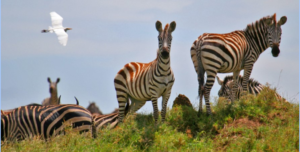
- Zebras
- Buffalo
- Hyenas
The Serengeti is also famous for its large populations of predators, making it an excellent destination for witnessing dramatic wildlife interactions.
The Great Migration
The most famous event in the Serengeti ecosystem is the Great Migration.
Every year, more than two million wildebeest, zebras, and gazelles travel across the plains in search of fresh grazing land. This migration moves between the Serengeti and the neighboring Masai Mara National Reserve in Kenya.
Key moments of the migration include:
- Calving season in the southern Serengeti
- Massive herds moving across central plains
- Dramatic river crossings in the north
Witnessing this natural phenomenon is often the highlight of a Serengeti safari.
Types of Fly-In Serengeti Safaris
1. Short Fly-In Safari (2–3 Days)
Short Fly-in Serengeti Safari is perfect for travelers with limited time.
Typical features include:
- Return flights from Arusha or Zanzibar
- Two or three game drives
- Accommodation in a safari lodge or tented camp
Even within a short timeframe, visitors can experience incredible wildlife encounters.
2. Classic Fly-In Safari (4–5 Days)
This is the most popular safari. It allows visitors to explore multiple areas of the Serengeti and enjoy several game drives.
Activities may include:
- Sunrise and sunset game drives
- Wildlife photography tours
- Visits to scenic viewpoints
3. Luxury Fly-In Safari (6–7 Days)
Luxury safaris offer the most immersive experience. Travelers spend several days exploring different parts of the Serengeti while staying in high-end lodges.
Luxury experiences often include:
- Private safari vehicles
- Hot air balloon safaris
- Bush dinners under the stars
One of the most unforgettable activities is a hot air balloon ride above the Serengeti at sunrise.
Best Time for a Fly-In Serengeti Safari
The Serengeti offers excellent wildlife viewing throughout the year, but certain seasons provide unique experiences.
June to October – Dry Season
This is the peak safari season because animals gather around water sources, making them easier to spot.
During this time, the Great Migration often reaches the northern Serengeti and the border with the Masai Mara National Reserve.
January to March – Calving Season
During these months, thousands of wildebeest calves are born on the southern plains. This attracts predators such as lions and cheetahs, creating dramatic wildlife scenes.
April to May – Green Season
This is the rainy season, but it offers:
- Lush landscapes
- Fewer tourists
- Lower safari prices
Birdwatchers especially enjoy this period because migratory birds arrive in the region.
What to Expect During Your Safari
Game Drives
Game drives are the main activity during a Serengeti safari. These guided excursions take place in specially designed 4×4 vehicles with open roofs for better wildlife viewing.
Most lodges schedule game drives:
- Early morning
- Late afternoon
These times coincide with peak animal activity.
Wildlife Photography
The Serengeti provides incredible opportunities for photography.
Visitors often capture images of:
- Lions resting under acacia trees
- Elephants walking across the savannah
- Cheetahs chasing prey
- Large herds of migrating wildebeest
Golden sunrise and sunset lighting makes photography especially spectacular.
Cultural Encounters
Some safari itineraries include visits to villages belonging to the Maasai people. These cultural experiences allow travelers to learn about traditional customs, clothing, and lifestyles.
The Maasai have lived alongside wildlife for centuries and maintain strong cultural traditions.
Key Takeaways
- A fly-in Serengeti safari offers the fastest and most convenient way to reach the Serengeti.
- Flights from cities like Arusha allow travelers to avoid long road journeys.
- The Serengeti is one of the best wildlife destinations in the world.
- Visitors can witness the famous Great Migration involving millions of animals.
- Fly-in safaris often include luxury lodges and personalized experiences.
- The best time for wildlife viewing is typically from June to October.
Frequently Asked Questions (Q&A)
1. What is a fly-in safari?
A fly-in safari involves traveling to wildlife destinations by small aircraft rather than by road, allowing faster access to remote safari areas.
2. How long is the flight to the Serengeti?
Flights from Arusha to the Serengeti usually take about one hour, depending on the airstrip.
3. Are fly-in safaris safe?
Yes. Safari flights are operated by experienced pilots and reputable airlines that specialize in bush aviation.
4. Is a fly-in safari expensive?
Fly-in safaris are generally more expensive than road safaris because they include flights and luxury accommodations. However, they offer greater convenience and comfort.
5. What should you pack for a fly-in safari?
Common items include:
- Lightweight clothing
- Comfortable walking shoes
- Binoculars
- Camera equipment
- Sun protection
6. Can beginners go on a Serengeti safari?
Absolutely. Serengeti safaris are suitable for first-time visitors and experienced travelers alike.
Conclusion
A fly-in Serengeti safari is one of the most extraordinary travel experiences available in Africa. By flying directly into the heart of the wilderness, travelers can avoid long journeys and begin exploring the Serengeti almost immediately.
From witnessing lions roaming across the plains to watching millions of animals participate in the Great Migration, every moment in the Serengeti offers unforgettable encounters with nature.
Whether you choose a short safari escape or a luxury multi-day adventure, a fly-in safari provides an efficient, comfortable, and immersive way to experience one of the world’s most remarkable wildlife destinations.
For travelers seeking breathtaking landscapes, extraordinary wildlife, and unforgettable memories, the Serengeti remains one of the ultimate safari destinations on Earth.