
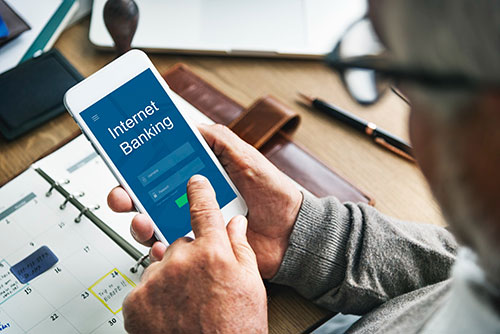
Digital banking in India has become a default choice for many everyday needs, payments, transfers, statements, and service requests. That convenience naturally leads to a bigger, long-term concern: if you plan to rely on a digital-first bank account for years, is it secure enough to trust with ongoing savings, recurring payments, and important personal details?
A sensible way to answer this is to look at how digital security is usually structured, where long-term risks tend to sit, and what you can check before committing.
The Security Layers Digital Banking Often Relies On
A digital account is usually designed with multiple layers rather than one “lock”. Depending on the bank and channel, you may see protections such as:
- Multi-step sign-in methods (password/PIN plus additional verification)
- Device-based checks that recognise where you normally log in from
- Alerts for logins, profile changes, and transactions
- Session controls that limit access if the app is left open
- Monitoring that may flag unusual patterns for review
These layers are meant to reduce casual misuse and improve early detection. Still, long-term confidence often comes from whether these controls are clear, consistent, and easy for you to manage.
The Long-Term Risks People Usually Miss
If someone asks whether a digital bank account is safe, they often picture a “system breach”. In day-to-day reality, many risks can be quieter and more repetitive.
Common weak points in long-term digital banking include:
- Verification leakage: Sharing OTPs, PINs, or passwords (even once)
- Fake access routes: Lookalike sites, links in messages, and impersonation attempts
- Phone-level exposure: Weak device locks, risky permissions, or neglected updates
- Account recovery stress: Updated registered details that make recovery harder
- Alert fatigue: Ignoring notifications until something feels seriously wrong
These risks are not about fear; they are about recognising what attackers usually target: speed, confusion, and routine behaviour.
What to Check Before You Open a Bank Account Online
When you open a bank account online, the “opening” is only the start. If you want the account to work for years, it helps to evaluate whether the security and support structure feels dependable.
Look for clarity on:
- How account access is protected and what controls you can enable
- How quickly and clearly alerts are delivered for important activity
- What steps exist for reporting suspicious activity
- How account recovery is handled if your device or number changes
- How easy it is to access statements and confirmations when you need them
You’re not searching for perfect safety. You’re checking whether the system is designed for long-term reliability, not just quick onboarding.
Habits That Can Keep A Digital Account Safer Over Time
Even strong systems depend on user habits. These habits are simple, but they matter when you bank digitally for years:
- Keep OTPs, PINs, and passwords private, no exceptions
- Avoid logging in through links received on SMS, email, or social apps
- Use a strong phone lock and avoid sharing your device passcode
- Turn on alerts and review activity occasionally (not only when you suspect a problem)
- Keep your registered mobile number and email updated so recovery remains secure
- Be selective with app permissions, especially around notifications and storage
These actions don’t eliminate risk, but they can reduce the most common entry points for misuse.
Conclusion
So, are digital bank accounts secure enough for long-term banking? They can be, but the answer is rarely absolute. Long-term safety usually depends on layered safeguards, clear recovery and support processes, and disciplined user habits that stay consistent over time.
If you plan to open a bank account online, focus less on the “digital” label and more on whether the account offers strong access controls, reliable alerts, and transparent steps to handle concerns. With that approach, a digital-first bank account can remain a sensible long-term option for many everyday banking needs.